Swans are among the most beautiful and graceful birds you can add to your property. Their elegant posture, majestic presence, and lifelong pair bonds make them a stunning addition to any pond. At Williams Exotic Waterfowl, we specialise in raising healthy, high-quality swans and are here to help you succeed.
This guide covers everything you need to know about how to raise swans, from pond requirements and feeding to breeding and legal considerations.
Why Raise Swans?
Swans have been domesticated for centuries as ornamental birds on lakes, rivers, and reservoirs in the pleasure grounds of palaces and villas. Today, they remain a symbol of elegance. Beyond their beauty, raising swans offers:
- Aesthetic Value: They transform any pond into a stunning landscape feature.
- Low Maintenance: Once set up, swans are relatively self-sufficient.
- Long Lifespan: Swans can live 20–30 years or more with proper care, offering decades of enjoyment.
- Breeding Potential: Healthy pairs produce cygnets (baby swans) that are a rewarding experience to watch grow.
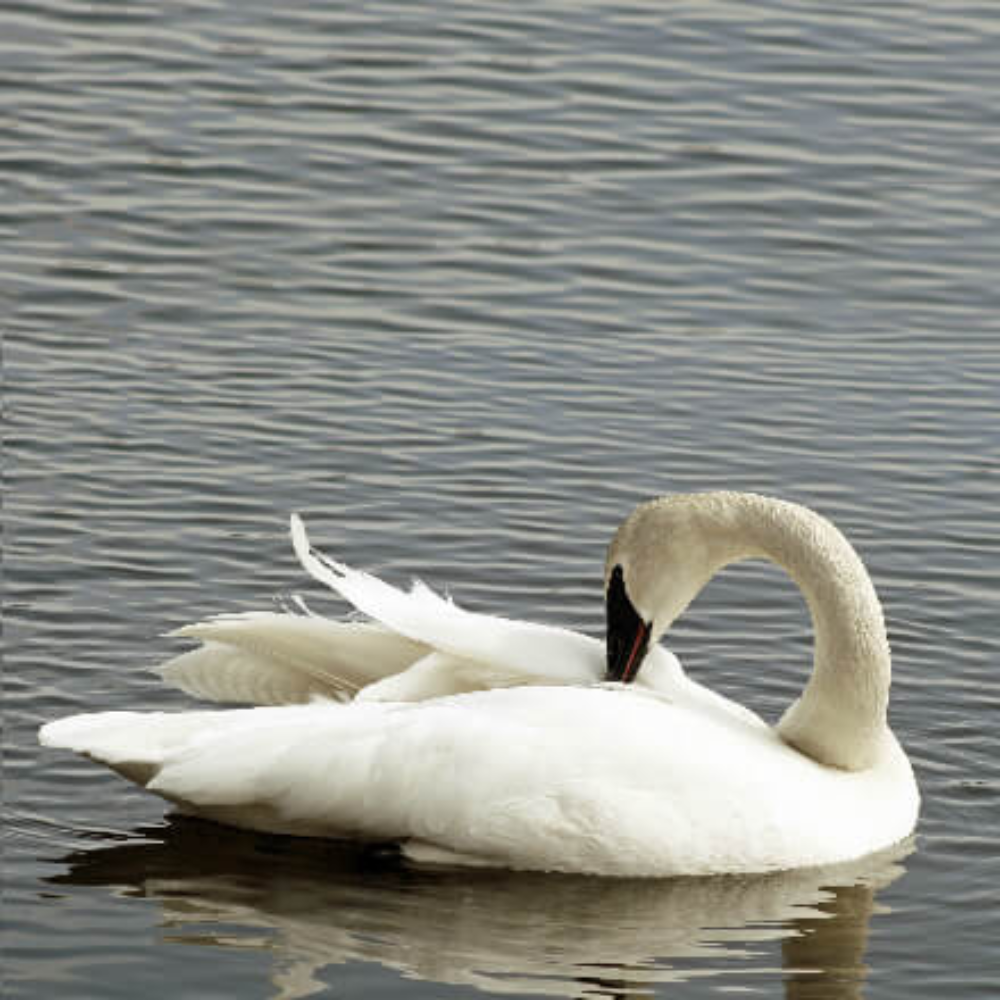
Before you begin, it’s essential to understand their needs. Swans are semi-aquatic and must have access to a natural or artificial pond with an open swimming space.
1. Habitat & Pond Requirements
The most critical aspect of how to raise swans successfully is providing the right habitat.
Pond Size and Depth
- Space: A pond or lake large enough to allow full swimming and gentle take-off for flighted individuals is ideal. A smaller, secure pond with a water feature is also acceptable.
- Depth: Shallow waters (under 6 feet) with abundant aquatic plants are preferred by breeding swans. They need at least 100 yards of open water for running take-offs.
- Water Quality: Clean, fresh water is essential. Some breeders circulate fresh water continuously through their ponds for ideal conditions. Stagnant water can lead to health issues.
Vegetation and Shelter
- Aquatic Plants: Swans are mainly herbivorous. They feed on pondweed, eelgrass, duckweed, sedges, and rushes. Adding these plants provides natural food and improves habitat.
- Nesting Sites: Provide a site surrounded by water, such as a muskrat or beaver den, a small island, a floating vegetation mat, or a man-made platform. Nests can be up to 11 feet across and 3 feet high.
- Shoreline & Grazing: Swans benefit from access to pasture or shoreline vegetation for grazing.
Predator Protection
Swans are vulnerable to predators like coyotes, wolves, and foxes. A secure fence around their area helps keep predators out. This also prevents your swans from wandering off.
Tip: A single swan can eat about 8 pounds of vegetation per day and can destroy up to 40 pounds while feeding. Ensure your pond has enough vegetation or supplement their diet.
2. Diet & Nutrition
A balanced diet is key to how to raise swans that are healthy and vibrant.
Natural Diet
In the wild, swans are primarily vegetarians. They eat aquatic plants, pondweed, eelgrass, and sometimes small aquatic animals and fish eggs. They feed by dabbling (tipping up like ducks) or grazing on land.
Supplemental Feeding
While wild swans can forage naturally, captive swans often need supplemental feed, especially if the pond doesn’t supply enough vegetation. A good diet includes:
| Food Type | Examples | Notes |
|---|---|---|
| Waterfowl Pellets | Formulated maintenance ration | Use as the dietary base |
| Fresh Greens | Romaine lettuce, dandelion greens, chopped vegetables | Good occasional supplement |
| Grains & Scratch | Cracked corn, scratch grains, 16% chicken layer pellets | Mix together to lower protein to ~11%. |
| Grit | Available free choice | Supports digestion |
What to Avoid:
- High-calorie breads, crackers, or poultry corn mixes (nutritionally poor, can lead to obesity or foot problems).
- Large amounts of fruit (ok as a treat, but not a daily diet staple).
- Meat (swans are opportunists but don’t need animal protein).
Feeding Tip: Swans can eat up to 8–9 pounds of food per day in the wild. In captivity, provide enough food that there is always a little left after 24 hours to ensure they are well-fed. Swans will wander away if their food supply runs out.
3. Breeding & Reproduction
Understanding swan reproduction is a key part of how to raise swans successfully.
Mating & Nesting
- Swans generally mate for life and are very territorial, especially during nesting season.
- The female (pen) lays a clutch of typically 4–6 eggs, which are creamy to dull white and often stained brown.
- The male (cob) stays with the female during incubation and assists in caring for the young after hatching.
Incubation & Hatching
- Incubation Period: Approximately 32–37 days.
- Cygnets: Hatch with their eyes partially open, covered in grey or white down. They can swim and feed within 24 hours of hatching.
- Parental Care: The mother swan is highly attentive, helping cygnets learn to walk, swim, and find food. Cygnets can fly at 90–122 days old .
Territorial Behaviour
Swans are very territorial and will not tolerate other swans on their pond, often trying to kill intruders. They will also attack other waterfowl and can challenge humans if they feel threatened.
Key Considerations:
- You generally cannot have more than one breeding pair on a pond unless it is exceptionally large (15–20 acres).
- Consider keeping same-sex pairs if you want swans for aesthetics without breeding.
- Swans have little tolerance for their own young once they are grown, so you will need to relocate yearlings.
4. Legal and Ethical Considerations
Before you purchase swans, you must know the laws. This is a crucial but often overlooked part of how to raise swans.
Legal Requirements
Different states in the US have various regulations on swan ownership, which can change quickly. For example:
- Mute swans are restricted or prohibited in some states (like Kentucky).
- Black swans are grouped with domestic ducks and geese and are legal in many areas.
Your First Step: Always check your state’s Fish and Game or Department of Natural Resources website. Search for “swans, [your state]” to learn the specific rules and permit requirements.
Pinioning
Many breeders permanently clip a swan’s wing tip (called pinioning) to prevent them from flying away. This is typically done when cygnets are under two weeks old. As one breeder stated, “Nobody’s going to pay anywhere from $1,500 to $5,000 for a pair of swans and watch them fly away the next day.”
5. Health Care and Maintenance
Swans are hardy when given proper space, nutrition, and water access, but they are susceptible to certain preventable conditions.
Common Health Concerns
- Pododermatitis (foot injuries): Caused by rough terrain or poor hygiene.
- Lead toxicity: Exposure to old fishing tackle or shot.
- Parasites: Internal and external, especially in shallow or stagnant water bodies.
- Nutritional imbalances: Obesity or deficiencies from poor diets.
- Injuries: From aggressive encounters or territorial disputes.
Recommended Care
- Veterinary Checkups: Annual exams and faecal parasite screening are recommended.
- Observation: Monitor swimming behaviour, droppings, and activity levels daily.
- Shelter: Provide protection from extreme cold, heavy winds, and predators. In cold climates, you may need a heated area or barn-like structure to prevent frostbite.
Get Started with Williams Exotic Waterfowl
Now that you know how to raise swans, it’s time to find your perfect birds. As an NPIP Certified farm, we raise healthy, high-quality swans and offer nationwide delivery. We specialise in swans year-round and welcome visitors to our farm.
Inquire About Available Swans Now
Disclaimer: Williams Exotic Waterfowl provides information for educational purposes. Always consult with a veterinarian and check local regulations before acquiring exotic livestock.