
Description
East African Crowned Crane – A Majestic Ornamental Bird with Exceptional Beauty
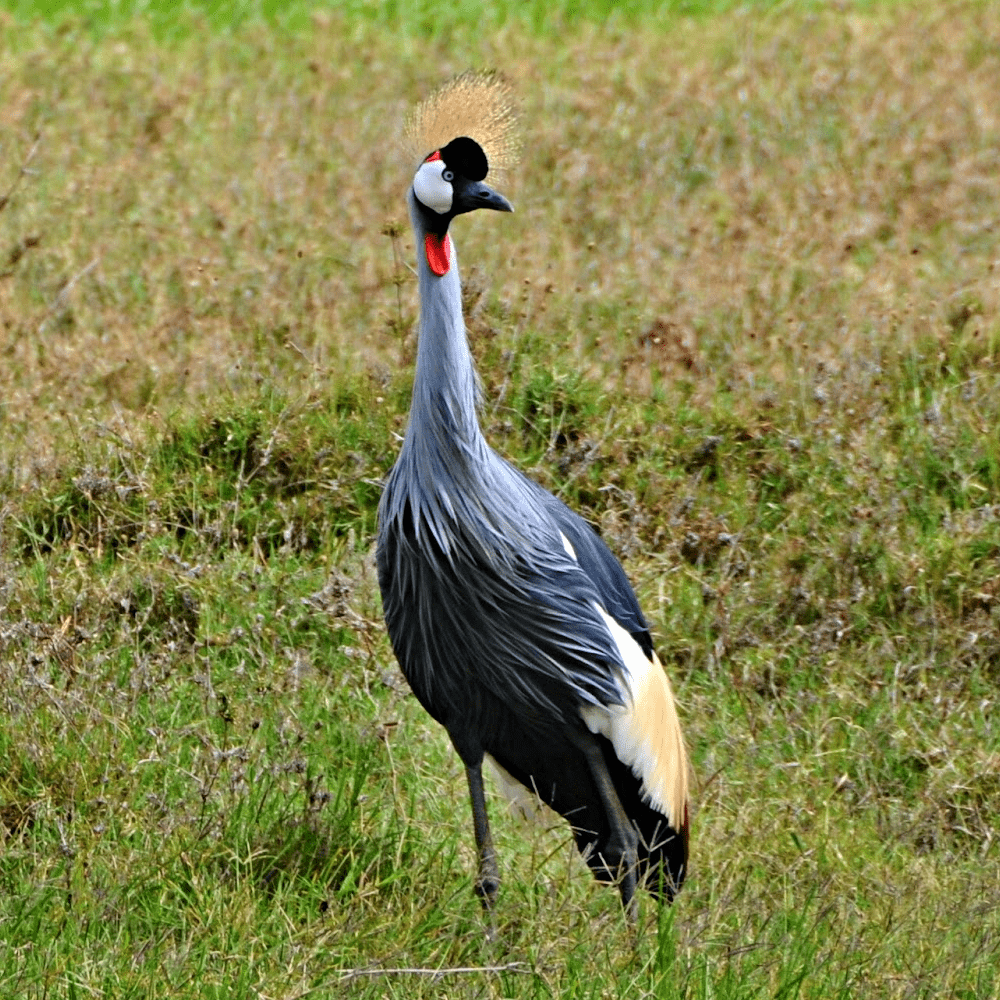
The East African Crowned Crane is one of the most beautiful and recognizable crane species in the world. Celebrated for its magnificent golden crown of stiff feathers, graceful movements, and elegant appearance, this remarkable bird is the national bird of Uganda and a prized addition to aviaries, wildlife parks, and ornamental bird collections. Native to East Africa, its natural range extends from Uganda and Kenya to Zimbabwe, Botswana, and Namibia, where it inhabits open grasslands, wetlands, and savannah ecosystems.
Why Choose the East African Crowned Crane?
The East African Crowned Crane is admired for its striking appearance, intelligence, and fascinating behaviour. Its distinctive golden crest, black cap, bright red facial skin, and elegant grey-and-white plumage make it a true centerpiece in any bird collection. Standing approximately 3.5 feet (1.1 metres) tall with a wingspan of up to 6.5 feet (2 metres), this graceful bird combines beauty with an impressive presence.
Unlike most crane species, the East African Crowned Crane is capable of roosting in trees thanks to its long, strong toes that allow it to grip branches securely. Providing elevated perches in captivity helps replicate its natural behaviour and contributes to its wellbeing.
Behaviour and Temperament
Known for its spectacular courtship displays, the East African Crowned Crane performs elegant dances that include bowing, jumping, wing spreading, and inflating its throat sac while producing distinctive honking calls. These displays are most common during the breeding season but may occur throughout the year.
The species is generally social and thrives when kept in compatible pairs or suitable groups within spacious enclosures. Its calm yet active nature makes it an attractive species for zoological parks, breeding centres, and experienced bird keepers.
Diet and Habitat
As an omnivorous bird, the East African Crowned Crane feeds on seeds, grasses, insects, worms, small reptiles, amphibians, fish, and other invertebrates. In the wild, it often stamps the ground with its feet to flush out insects and small prey before feeding.
A well-designed habitat should include open grassy areas, access to shallow water, secure fencing, and elevated roosting platforms. A balanced diet combined with proper shelter helps maintain excellent health and vibrant plumage.
Breeding Information
Breeding pairs build large ground nests using grasses and vegetation near wetlands. Both parents share incubation duties for a clutch of two to five eggs over approximately 28 to 31 days. After hatching, the chicks remain under parental care until they fledge, which typically occurs between 56 and 100 days.
Key Features
- Beautiful golden crown of stiff feathers.
- Elegant grey, white, black, and red plumage.
- National bird of Uganda.
- Intelligent and highly social species.
- Famous for spectacular dancing and courtship displays.
- Omnivorous diet suitable for managed aviaries.
- Suitable for ornamental collections, wildlife parks, and conservation breeding.
- Strong tree-roosting ability unlike most crane species.
- Excellent choice for experienced bird keepers.
- Adaptable to well-managed aviary environments.
Product Information
- Species: East African Crowned Crane
- Common Names: African Crowned Crane, Golden Crested Crane, Crested Crane
- Origin: East Africa
- Diet: Omnivore
- Suitable For: Aviaries, wildlife parks, conservation centres, and ornamental bird collections
Bring timeless elegance to your aviary with the East African Crowned Crane. Renowned for its spectacular beauty, graceful movements, and fascinating behaviour, this iconic African bird is an outstanding choice for conservation programmes, educational facilities, and experienced avicultural enthusiasts.
Reviews
There are no reviews yet.